Vector Walking to School Icon: An Embroidery Review
As a professional embroidery designer and product reviewer, I approach every new graphic asset with a specific question: will this actually stitch out cleanly on fabric? When evaluating the Vector Walking to School Icon, my focus shifts immediately from screen aesthetics to needle performance. This design captures a nostalgic, wholesome mood that resonates deeply with parents, educators, and makers creating back-to-school merchandise. The silhouette style suggests clarity, but as any experienced digitizer knows, clean lines on a monitor do not always translate to clean stitches on textured cotton or stretchy fleece. Having tested similar graphics for custom apparel and personalized gifts, I am breaking down exactly how this vector icon performs when converted into a tangible embroidered patch or garment decoration.
First Impressions and Visual Personality
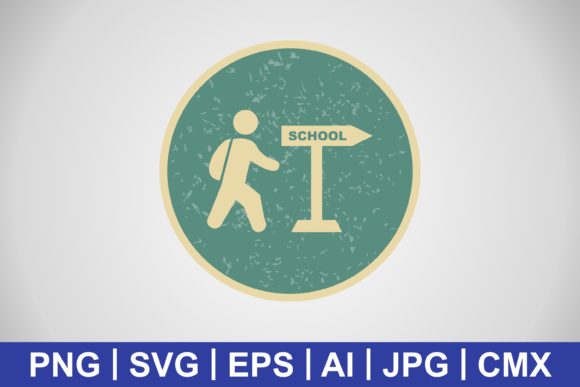
The Vector Walking to School Icon strikes an excellent balance between playful simplicity and recognizable detail. Visually, it evokes feelings of independence, childhood milestones, and autumn routines. For an embroidery project, this emotional connection is vital. Customers buying handmade products are often purchasing a feeling rather than just an item. The icon’s layout appears balanced, which is crucial for centering in a hoop without excessive repositioning. Because this asset is provided as a scalable vector (SVG, EPS, AI, CMX), it offers the flexibility needed to adjust the size before digitizing. This scalability is a massive advantage over raster images, as it allows us to define crisp edges for satin stitch columns or smooth paths for running stitch outlines without pixelation artifacts interfering with the final machine embroidery design.
Real-World Application: The Custom Sweatshirt Test
To truly evaluate this graphic, I mentally applied it to a real-life scenario: creating a custom embroidered sweatshirt for a boutique Etsy listing targeting moms and teachers. Sweatshirts are typically made of cotton-polyester blends with a brushed interior, presenting a slightly unstable surface for detailed stitching. In this context, the Vector Walking to School Icon serves as an ideal chest placement or sleeve accent. Its likely bold shapes work beautifully as an applique design, where fabric pieces are tacked down within the icon's boundaries. This technique reduces overall stitch density, keeping the garment soft and wearable while maintaining high visual impact.
If you are an Etsy seller or small shop owner, this versatility is key. The same vector file used for that sweatshirt can be resized for a baby embroidery bib, scaled up for a tote bag design, or minimized for a cap logo. For commercial embroidery projects, having a single, high-quality source file that adapts to multiple finished products streamlines workflow and ensures brand consistency across different merchandise types.
Navigating Fabric Challenges and Hoop Sizes
While the vector format is forgiving, the physical act of stitching requires caution. When using the Vector Walking to School Icon on stretchy fabrics like jersey knits or ribbed cuffs, proper stabilizer selection is non-negotiable. A cut-away stabilizer is generally recommended to prevent the design from distorting after washing. If you plan to use this as a small pocket-sized emblem, verify your minimum hoop size capabilities. Tiny details in walking figures, such as shoelaces or backpack straps, may need to be simplified during the digitizing process if the target size is under two inches. Dense stitch areas in small formats can cause fabric puckering or needle breaks.
Textured fabrics like terry cloth towels or canvas tote bags also demand attention. On these surfaces, fine running stitch details might get lost in the weave. In such cases, I recommend increasing the column width of satin stitches or adding a knockdown stitch layer beneath the design to flatten the fabric texture. Dark fabrics present another consideration; ensure your thread colors provide sufficient contrast against the background. A white or bright yellow outline often helps the icon pop on navy or charcoal garments, enhancing recognition and professionalism.
Impact on Product Value and Customer Trust
In the competitive landscape of digital product sellers and craft businesses, presentation dictates perceived value. Using expertly made icons like this one elevates the quality of your finished product. Buyers can instantly distinguish between a hastily traced clip-art embroidery file and a professionally adapted design. Clean edges, appropriate stitch density, and thoughtful color choices signal to the customer that you care about craftsmanship. This builds trust and encourages repeat business.
Furthermore, because this product includes formats suitable for both personal and commercial use, it removes legal ambiguity for creative entrepreneurs. You can confidently list personalized gifts or boutique branding items knowing your design assets are properly licensed. However, always double-check the specific license terms included with your download before selling digital embroidery files themselves, as commercial rights for physical products sometimes differ from rights for reselling digital assets.
Essential Designer Notes for Success
Before committing the Vector Walking to School Icon to your best inventory, follow these practical steps to ensure a flawless result:
- Test Stitch First: Never run a production batch without a test sew-out on scrap fabric identical to your final product. Check for registration issues between fill stitch sections and outlines.
- Verify Digitizing Compatibility: Remember that SVG, EPS, AI, JPG, PNG, and CMX are graphic formats, not stitch files. You must digitize this vector into a machine-specific embroidery file (like DST, PES, or JEF) or hire a professional digitizer. Do not assume auto-digitizing software will perfectly interpret complex curves without manual adjustment.
- Check Contrast in Mockups: Create printable mockups in both black and white and full color. This helps visualize how the design reads on various fabric backgrounds before you thread a single needle.
- Evaluate Detail Level: Inspect the vector nodes. If there are anchor points closer together than your needle width at the desired size, simplify the path. Overly complex vectors lead to poor stitchouts.
- Confirm Licensing: While stated for personal and commercial use, keep your receipt and license file accessible. Platforms like Etsy occasionally request proof of commercial rights for design elements.
- Assess Washability: If creating baby embroidery or kitchen textiles, ensure the chosen stitch type can withstand frequent laundering. Satin stitches generally hold up better than long running stitches in high-wear scenarios.
Final Thoughts for Makers and Sellers
The Vector Walking to School Icon represents a strong foundation for seasonal and evergreen embroidery collections. Its clean geometry and emotional resonance make it a reliable choice for everything from holiday embroidery gifts to everyday school spirit wear. By treating this vector graphic as a blueprint rather than a finished product, and by applying professional digitizing standards regarding stitch density and stabilizer use, you transform a simple digital icon into a premium handmade product. Whether you are decorating caps, crafting patches, or building a cohesive shop aesthetic, this design asset offers the scalability and charm necessary to engage buyers and satisfy the maker’s standard for quality.