Teacher Quarantine Craft Design: An Embroidery Review
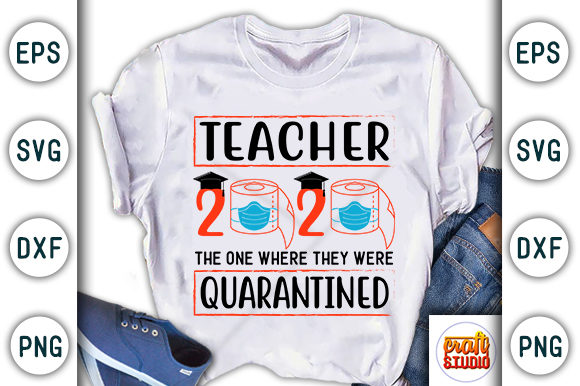
As an embroidery digitizer and product reviewer, I approach every new graphic with a specific question: will this actually stitch out well on physical fabric? When evaluating the Teacher Quarantine Craft Design, my focus shifts immediately from the screen to the hoop. This design captures a very specific cultural moment—"Teacher 2020, the one where they became super heroes"—and while it serves as a nostalgic digital graphic, its true test lies in how it translates into thread. For craft business owners and Etsy sellers looking to create meaningful merchandise, understanding the structural integrity of this machine embroidery design is just as important as its sentimental value.
First Impressions and Emotional Resonance
Visually, the Teacher Quarantine Craft Design strikes a balance between retro nostalgia and genuine appreciation. The layout suggests a badge or emblem style, which is inherently friendly for embroidery. Unlike complex photographic illustrations that often fail when converted to stitches, this graphic appears to rely on bold shapes and clear typography. This is exactly what we want to see in T-Shirt Designs intended for needle and thread. The mood is celebratory yet grounded, making it suitable for adult apparel rather than just children’s wear. As a reviewer, I appreciate that the design assets acknowledge the difficulty of that era without being overly somber; it feels like a victory lap, which translates beautifully into a personalized gift or boutique product.
Real-World Application: The Sweatshirt Test
To truly evaluate this embroidery file, I mentally placed it in a real-life production scenario: creating a custom crewneck sweatshirt for a teacher appreciation event. Sweatshirts are a staple for small shop products, but they present unique challenges due to their thickness and stretch. In this context, the Teacher Quarantine Craft Design needs to perform as more than just a pretty picture; it must be structurally sound.
If I were stitching this onto a heavyweight fleece, I would look for adequate underlay in the digitizing. The phrase "the one where they became super heroes" likely involves text elements. On a textured fabric like fleece, running stitch lettering can get lost or sink into the pile. A high-quality version of this design should utilize satin stitch borders or fill stitch backgrounds to lift the text above the fabric texture. If you are planning sweatshirt embroidery, verify that the lettering height meets the minimum threshold for your machine. Generally, text should not be smaller than 5mm to ensure legibility and prevent thread breaks during commercial embroidery runs.
Fabric Compatibility and Stabilizer Strategy
The versatility of this design depends heavily on your choice of stabilizer and fabric. While it is marketed among Graphics for various uses, embroidery requires physical stability. For a tote bag design on canvas, the Teacher Quarantine Craft Design should stitch out crisply with minimal distortion because canvas provides a stable base. However, if you are attempting this on a lightweight summer t-shirt or a baby embroidery project, caution is required.
Thin fabrics cannot support high stitch density without puckering. Before committing to a finished product, assess the design's density. If the superhero cape or mask elements contain dense fill stitch areas, you must use a cut-away stabilizer for knits and potentially a topping for textured surfaces. For holiday embroidery on tea towels or kitchen linens, a tear-away stabilizer might suffice, but always test first. Remember that this design commemorates a time of resilience; the last thing you want is for the final embroidered patch or garment to look distorted or cheap due to poor stabilization choices. Professionalism in handmade products comes from clean edges and smooth fabric, not just the design itself.
Technical Considerations for Digital Files
The product description notes that you receive EPS, SVG, DXF, and PNG formats. It is vital to clarify a common misconception for new makers: these are primarily vector and raster graphic formats, not native machine embroidery files like DST, PES, or JEF. Unless the seller explicitly includes digitized embroidery formats, you or a professional digitizer will need to convert the Teacher Quarantine Craft Design into a stitch file.
This distinction matters immensely for stitch quality. Auto-digitizing software often struggles with the nuance required for readable text and smooth curves in applique design. If you are converting this yourself, pay close attention to the stitch direction and pull compensation. Vector files (EPS/SVG) provide excellent clean lines for tracing, but they do not contain stitch data. Always confirm licensing before selling finished items or digital embroidery files derived from these graphics. Understanding the difference between a source graphic and a ready-to-stitch file protects your business from quality issues and legal complications.
Visual Hierarchy and Thread Selection
When reviewing the color palette for this design, consider the end user. Teachers often wear school colors or neutral tones. The Teacher Quarantine Craft Design should offer enough contrast to pop against both dark navy sweatshirts and white cotton tees. In my experience, designs that rely solely on subtle shading fail in embroidery because thread has limited gradient capability compared to ink.
Opt for solid blocks of color or distinct texture fills. If the design includes a cape, consider using a metallic or variegated thread to add visual interest without increasing stitch count. For the text "Teacher 2020," high contrast is non-negotiable. White thread on a black garment or red thread on white ensures the message is readable from a distance. This attention to thread colors elevates the perceived value of the item, turning a simple craft project into a premium custom apparel piece that customers trust and cherish.
Practical Designer Notes for Success
Before listing this as part of your Etsy seller inventory or gifting it to a loved one, follow these practical steps to ensure the Teacher Quarantine Craft Design succeeds in thread form:
- Test Stitch First: Never run a new design directly on a final product. Use scrap fabric similar in weight and texture to your target item to check for registration issues or tension problems.
- Verify Hoop Size: Ensure the design dimensions fit comfortably within your machine’s maximum stitch area with room for proper hooping. Crowding the hoop leads to alignment errors.
- Check Small Details: Inspect any tiny stars, hearts, or accent marks. If they are smaller than 2mm, they may need to be removed or enlarged to prevent needle damage and thread nests.
- Mockup Validation: Create printable mockups using the PNG file to visualize placement before stitching. This helps confirm the design scale looks proportional on different garment sizes.
- Wash Testing: Since this is a commemorative design meant to be kept, wash your test swatch to ensure the stitch density holds up and the stabilizer doesn't leave residue.
- Licensing Check: Confirm whether your purchase allows for commercial embroidery of finished goods versus digital resale of the file itself.
Final Verdict on Usability
The Teacher Quarantine Craft Design holds significant potential for makers who understand the translation from screen to stitch. Its thematic strength makes it a powerful candidate for personalized gifts and small business merchandise that resonates emotionally with buyers. However, success relies on treating it as a technical embroidery project, not just a graphic overlay. By respecting fabric limitations, ensuring proper digitizing from the provided vector formats, and testing rigorously, you can transform this digital asset into a durable, professional-quality embroidered product. Whether for a custom tote bag, a heartfelt holiday gift, or a boutique apparel line, this design honors the superhero teachers of 2020 best when it is crafted with precision and care.