Teacher Profession Design: An Embroidery Review
As a professional embroidery designer and product reviewer, I approach every new graphic with a specific question: will this actually stitch out well on real fabric? When evaluating the Teacher Profession illustration for potential use in custom apparel or handmade goods, my focus shifts immediately from the screen to the hoop. This digital asset is marketed as a graphic illustration for DIY projects, but for those of us running a craft business or creating personalized gifts, its true value lies in its adaptability as a machine embroidery design source. Before you commit this artwork to a sweatshirt, tote bag, or patch, it is vital to understand how vector-style illustrations translate into thread.
First Impressions and Visual Personality
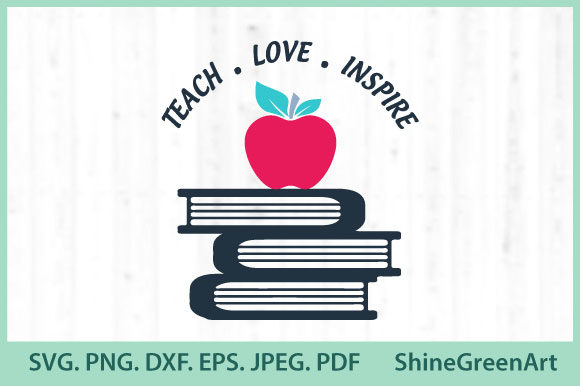
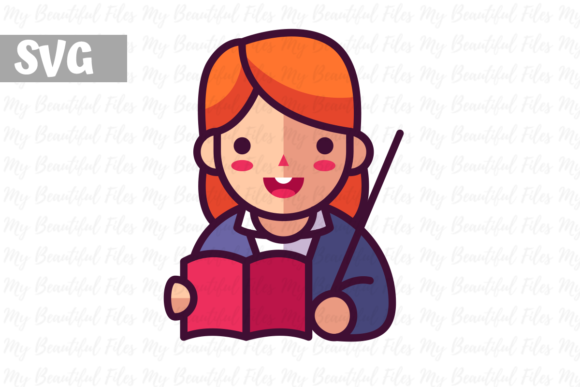
The Teacher Profession graphic carries a distinct mood that balances professionalism with approachability. In the world of illustrations and graphics intended for educators, there is often a tendency toward overly cutesy clip art or rigid corporate iconography. This design sits comfortably in the middle, offering a clean aesthetic that feels modern yet respectful of the vocation. For an Etsy seller or boutique owner, this visual tone is crucial. It suggests a product that is appropriate for a school administrator just as much as it is for a kindergarten teacher. The layout appears balanced, which is the first indicator of a successful embroidery project. A cluttered graphic leads to dense stitch areas and long run times, while a well-spaced illustration allows for better fabric stability and clearer definition in the finished product.
Real-World Application: The Custom Tote Bag Test
To truly evaluate this asset, I mentally placed it in a real-life scenario: creating a custom embroidered tote bag for a teacher appreciation gift. Canvas totes are a staple for handmade shops because they are practical and offer a stable surface for stitching. However, canvas has a distinct fabric texture that can swallow fine details. If the Teacher Profession illustration relies heavily on thin lines or tiny text elements, they may get lost in the weave of the bag material during production.
In this application, I would assess whether the graphic supports an applique design technique or if it requires full coverage fill stitch. Appliqué is often superior for large teacher-themed graphics on bags because it reduces stitch density and adds a tactile, high-end feel that customers appreciate. If the file serves as a guide for satin stitch borders or running stitch outlines, the line weight must be substantial enough to prevent tunneling on the canvas. For small shop products like these, the difference between a flat, lifeless embroidery and a vibrant, textured piece often comes down to interpreting the original graphic correctly for the specific substrate.
Apparel Considerations: Sweatshirts and Baby Items
Moving from sturdy canvas to apparel changes the technical requirements entirely. If you plan to use this design for sweatshirt embroidery, the stretchiness of the knit fabric becomes the primary challenge. Graphics designed for print do not always account for the push-and-pull distortion inherent in machine embroidery. When reviewing Teacher Profession for crewnecks or hoodies, verify that the shapes are bold enough to withstand compensation adjustments. Thin, intricate details in the illustration may require backing modifications or design simplification to prevent puckering.
Conversely, using this graphic for baby embroidery items introduces safety and comfort constraints. If the design is intended for a onesie or bib, the stitch density must be low enough to keep the garment soft against sensitive skin. Heavy fill stitch areas derived from complex graphics can create stiff, scratchy patches. In this context, a minimalist interpretation of the Teacher Profession theme using primarily running stitch or light satin stitch columns would be far more marketable and functional than a dense, fully filled version.
Navigating Technical Limitations and Fabric Choices
Every embroidery file has limits, and understanding where Teacher Profession might struggle is just as important as knowing its strengths. Dark fabrics present a common pitfall; if the illustration includes white or light-colored negative space details, you must ensure your digitizing software handles underlay correctly to prevent the dark fabric from showing through. Similarly, curved surfaces like caps demand designs with vertical orientation and limited horizontal spread. If this graphic is wide or horizontally expansive, it may distort when stitched on a structured hat, making it unsuitable for cap projects without significant modification.
Textured fabrics like terry cloth towels or fleece blankets also require careful consideration. Fine details in the Teacher Profession illustration will disappear unless topped with a water-soluble stabilizer or converted into bolder shapes. As a reviewer, I always advise testing on scrap fabric first. Never assume a digital preview equates to a flawless stitch-out. Check thread colors against your actual fabric swatches, as screen brightness often misrepresents how variegated or solid threads interact with specific material tones.
Commercial Viability and Brand Consistency
For creative entrepreneurs and commercial embroidery businesses, consistency builds trust. Using Teacher Profession across multiple product lines—such as matching aprons, pillow covers, and holiday gifts—requires a unified visual language. Does the style of this illustration match your existing catalog? If your brand focuses on vintage aesthetics, a sleek modern graphic might feel disjointed. However, if you specialize in contemporary educator merchandise, this design could serve as a cornerstone asset for your collection.
Buyer engagement often hinges on presentation. Before listing a finished product, create printable mockups and test the design in both black and white and color variations. This helps identify contrast issues that might not be obvious in full-color digital files. Remember that customer perception of value is tied to execution quality. A clean, crisp stitch-out of a teacher-themed graphic signals professionalism, whereas skipped stitches or poor registration due to improper stabilizer choice devalues the entire handmade product.
Critical File Format Advisory
It is imperative to address the technical specifications provided with this product. Please note this digital download includes SVG formats only. This distinction is critical for embroidery professionals. An SVG is a vector graphic, not a native embroidery file like .DST, .PES, or .JEF. You cannot load an SVG directly into most embroidery machines. Instead, this file serves as a pristine template for digitizing.
This format limitation is actually an advantage for serious makers and commercial embroidery shops. It grants you total control over stitch type, density, and pull compensation tailored to your specific machine and fabric choices. However, it also means you must possess digitizing skills or hire a professional digitizer to convert the Teacher Profession illustration into a usable embroidery file. Do not attempt to auto-digitize complex illustrations without manual cleanup, as automated software rarely produces the clean, efficient stitch paths required for high-quality commercial products. Always confirm licensing terms before selling finished items or distributing derivative digital embroidery files to ensure compliance with the creator’s usage rights.
Final Designer Notes for Success
When integrating Teacher Profession into your workflow, treat it as a premium raw material rather than a plug-and-play solution. Inspect small details for viability at various hoop sizes; what looks good at 5x7 inches may become unrecognizable at 4x4 inches. Compare light and dark fabric backgrounds during your testing phase to establish universal underlay standards. Whether you are crafting a personalized gift for a favorite educator or building inventory for a craft fair, success depends on respecting the relationship between the digital illustration and the physical thread. By approaching this graphic with technical diligence and creative intention, you transform a simple download into a profitable, professional-grade embroidery asset that resonates with teachers and buyers alike.