Teacher Because Teachers Can’t: An Embroidery Review
As a designer who has spent countless hours behind the needle, I have learned that a graphic on a screen rarely tells the whole story. When evaluating Teacher Because Teachers Can’t for real-world application, my first thought is always about translation. How does this witty sentiment move from a digital vector to a tangible, stitched reality? The phrase "Because Teachers Can’t live on Apples Alone" carries a specific mood that resonates deeply with educators and gift-givers alike. It is humorous, appreciative, and distinctly human. However, as an embroidery product reviewer, I need to know if the design assets provided will actually support that sentiment when hooped and stitched on physical media.
This review approaches Teacher Because Teachers Can’t not just as a cute quote, but as a functional component of a handmade product. Whether you are an Etsy seller looking for your next bestseller or a hobbyist making a personalized gift for a favorite instructor, understanding the technical behavior of this machine embroidery design is crucial for achieving professional results.
First Impressions and Visual Personality
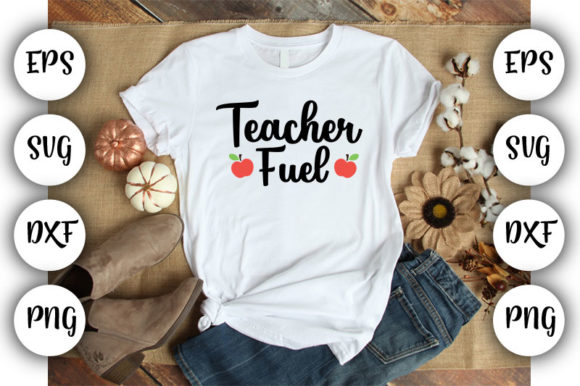
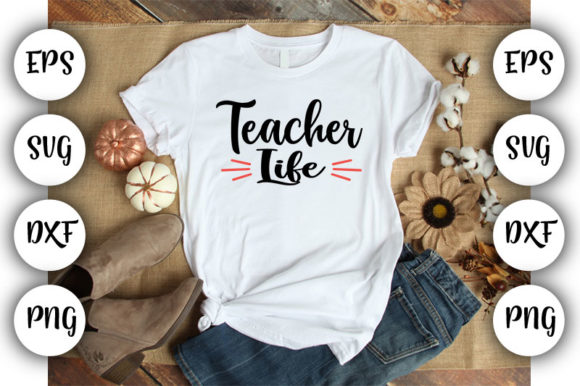
Upon opening the files, the layout of Teacher Because Teachers Can’t immediately suggests versatility. The typography appears balanced, which is essential for T-Shirt Designs and Graphics intended for apparel. In embroidery, text-heavy designs can sometimes feel blocky or overly dense, but this composition seems to breathe. The visual personality strikes a balance between playful and polished, avoiding the chaotic clutter that often plagues novelty teacher gifts. This clean aesthetic makes it suitable for both casual wear and more refined boutique products.
The inclusion of SVG, DXF, EPS, and PNG formats indicates that the creator understands the multi-format needs of modern makers. While these are primarily vector and raster graphics, they serve as excellent foundations for digitizing or for use with print-and-stitch workflows. For those using cutting machines alongside their embroidery setup, having these specific file types ensures that any accompanying applique design elements or vinyl layers will align perfectly with the stitched portions.
Real-World Application: The Teacher Appreciation Tote
To truly evaluate this design, I mentally placed it into a recent client project: a heavy canvas tote bag intended as an end-of-year thank-you gift. Canvas is unforgiving; it demands confidence in your stitch density and stabilizer choices. Teacher Because Teachers Can’t feels uniquely suited for this application because the sentiment implies utility. Teachers carry books, supplies, and personal items daily. A tote bag featuring this design transforms a generic accessory into a personalized gift that acknowledges their reality.
In this scenario, the design performs well because the lettering is legible at a medium-to-large scale. When stitching on canvas, I would pair this with a sturdy cut-away stabilizer to prevent puckering. The humor of the design elevates the perceived value of the finished product. Instead of a mass-produced item, the recipient receives a custom apparel piece that feels thoughtful. For small shop product lines, this type of emotional connection is what drives repeat customers and positive reviews. The design’s structure allows it to be centered easily, making it a reliable choice for production runs where consistency is key.
Navigating Fabric Challenges and Hoop Limitations
While Teacher Because Teachers Can’t shines on stable fabrics like canvas or cotton twill, caution is required for other applications. If you plan to use this for sweatshirt embroidery or baby embroidery, the fabric texture changes the game. Fleece and knits have pile and stretch that can swallow fine details. Before committing to a full run, you must assess the stitch density. If the text elements utilize a satin stitch, ensure they are wide enough to anchor securely into plush fabrics without sinking. Running stitch outlines may disappear entirely on high-pile fleece unless topped with a water-soluble stabilizer.
Hoop size is another critical consideration. This design likely requires a minimum 5x7 hoop to maintain readability, especially if the full phrase "Because Teachers Can’t live on Apples Alone" is included. Attempting to shrink this machine embroidery design to fit a 4x4 hoop for a pocket or cap could compromise legibility. Tiny lettering is the enemy of clarity in embroidery. If you intend to use this for caps or curved surfaces, verify that the digitization accounts for the distortion inherent in cylindrical hooping. Flat graphics do not always wrap correctly without specific compensation stitches.
Furthermore, consider the washing requirements of the finished product. Teacher apparel and kitchen textiles face frequent laundering. Ensure your thread colors are colorfast and that the stitch count provides adequate coverage without creating a bulletproof patch that distorts the garment after washing. Testing on scrap fabric that matches your final project weight is non-negotiable. Check how the design interacts with dark versus light backgrounds; contrast is vital for the wit to land effectively.
Commercial Viability for Makers and Sellers
For the creative entrepreneur or Etsy seller, Teacher Because Teachers Can’t represents a strong commercial embroidery opportunity. The niche is evergreen, peaking during back-to-school season, holidays, and teacher appreciation weeks. However, success depends on presentation. Use the provided PNG format to create high-quality printable mockups before you even thread a needle. Digital product previews allow you to test market interest and gather feedback without wasting materials.
When listing this as part of your craft business inventory, emphasize the customization potential. Buyers love seeing how a design looks on different products. Show the design on a tea towel, an apron, and a sweatshirt to demonstrate range. This builds customer trust by showing you understand the product's versatility. Always confirm licensing terms before selling. Just because you purchased the digital embroidery file does not automatically grant unlimited commercial rights for finished goods or digital redistribution. Respecting intellectual property protects your business reputation and supports fellow designers.
Technical Notes for Optimal Stitching
To get the most out of Teacher Because Teachers Can’t, keep these practical designer notes in mind:
- Stabilizer Selection: Match your stabilizer to the fabric, not just the design. Knits need cut-away; wovens can often use tear-away. Never skip topping on textured fabrics.
- Thread Contrast: The humor relies on readability. Avoid low-contrast combinations like navy thread on black fabric. Test visibility in natural and artificial lighting.
- Mockup Testing: Utilize the SVG and PNG files to create black and white mockups. This reveals whether the design holds up based on value alone, ensuring it remains striking regardless of color palette.
- Scale Verification: Measure the actual stitch area against your intended placement. What looks proportional on a monitor may look overwhelming on a baby bib or too small on an adult XL shirt.
- Needle Choice: For detailed text within this design, a sharp needle (like a 75/11) often produces crisper edges than a universal needle, especially on tightly woven fabrics.
Elevating the Finished Product
Ultimately, Teacher Because Teachers Can’t is more than just a collection of vectors; it is a vehicle for appreciation. When executed with attention to technical detail, it transforms standard merchandise into meaningful artifacts. The difference between a mediocre craft fair item and a beloved keepsake often lies in the maker’s willingness to respect the material constraints and optimize for the medium.
By treating this design with professional scrutiny—testing densities, respecting fabric limitations, and presenting it authentically—you honor both the artistry of embroidery and the teachers who inspire it. Whether used for holiday embroidery projects, boutique branding, or a simple act of gratitude, this design has the potential to deliver exceptional results when guided by experienced hands. Take the time to sample, adjust, and refine. Your finished product, and the teacher receiving it, deserves nothing less.