School Psychologist Design: An Embroidery Review
As a professional embroidery designer and product reviewer, I approach every new graphic with a specific question: will this actually stitch out well on real fabric? When evaluating the School Psychologist design assets, my focus shifts immediately from digital aesthetics to tangible production value. This review breaks down how these illustrations translate from screen to needle, specifically for craft business owners, Etsy sellers, and apparel decorators looking to create meaningful, professional-grade merchandise.
First Impressions and Visual Personality
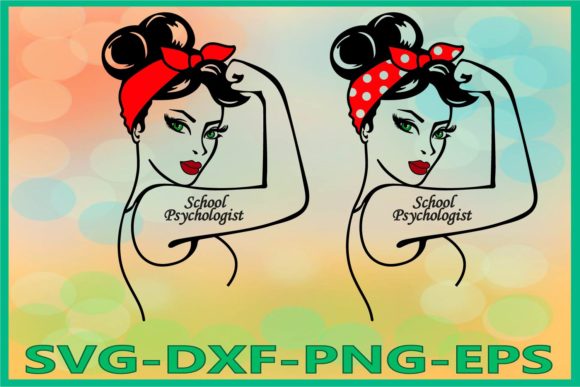
The School Psychologist graphics carry a distinct mood that balances professionalism with approachability. In the world of mental health and education support, imagery must be calming yet authoritative. Upon opening the zip archive and unpacking the SVG, DXF, EPS, AI, and PNG files, the vector lines appear clean and intentional. For an embroiderer, clean vectors are non-negotiable. Jagged edges in a digital file often result in jagged satin stitches or uneven fill areas.
Visually, this design feels suited for advocacy and awareness rather than cartoonish novelty. The layout suggests it would work beautifully as a centerpiece for custom apparel or as a respectful emblem for an embroidered patch. It avoids overly complex gradients that machines struggle to replicate, leaning instead into shapes that can be defined by crisp outlines and solid color blocks. This visual clarity is essential when creating a handmade product that needs to be recognized instantly from a distance, such as at a school event or conference.
Real-World Application: Stitching a Professional Tote
To truly judge this machine embroidery design, I mentally mapped it onto a practical project: a heavy-duty canvas tote bag intended for a school psychologist to carry resources, tablets, and sensory tools. This is a high-use item that demands durability. Canvas has a distinct fabric texture that can swallow fine details, so the design’s boldness is an asset here.
For this tote bag design, I would utilize the provided vector files to create a custom appliqué or a dense fill stitch combination. The psychology theme lends itself to a muted, trustworthy color palette—think teals, soft blues, and warm grays. When stitching this onto canvas, the design holds its integrity without requiring excessive stitch density, which prevents the fabric from puckering. A bulky, over-stitched tote bag feels cheap; this graphic allows for a lighter touch that maintains the bag's utility.
Furthermore, this design serves as an excellent candidate for sweatshirt embroidery. School staff often want comfortable, branded wear that doesn't feel like a stiff uniform. The graphic’s personality fits the "cozy professional" aesthetic popular in current Etsy seller trends. It communicates role and pride without being aggressive, making it a safe and appealing choice for personalized gifts for colleagues or graduation presents for psychology students.
Navigating Fabric Challenges and Hoop Limitations
While the School Psychologist illustrations are versatile, they require strategic planning depending on your substrate. Not all embroidery projects are created equal, and understanding where this design might fail is just as important as knowing where it succeeds.
- Stretchy Fabrics: If applying this to a lightweight t-shirt or performance wear, you must use appropriate stabilizer. The design likely contains elements that could distort on knit fabrics if not properly supported. Always test on scrap material first to ensure the registration marks align perfectly after stretching.
- Small Hoop Sizes: Check your machine’s capabilities before committing. Detailed illustrations often lose their impact when shrunk below 3x3 inches. Tiny lettering or intricate symbolic elements within the graphic may turn into a thread blob on a 4x4 hoop. Verify the minimum viable size to maintain legibility.
- Dark vs. Light Fabrics: The provided PNG files are excellent for creating printable mockups, but remember that embroidery on dark fabric requires underlay stitches to prevent the fabric color from bleeding through light threads. This increases stitch count. Ensure the design’s contrast works for both white lab coats and navy blue scrubs.
- Curved Surfaces: Be cautious when using this on caps. Flat illustrations do not always map correctly to curved brims without digitizing adjustments. If you plan to make headwear, verify that the aspect ratio suits a cap frame or consider using the design for the back of the hat instead.
Commercial Viability and Brand Consistency
For those running a craft business or managing a small shop product line, consistency builds trust. The School Psychologist assets offer enough flexibility to create a cohesive collection. You could use the full illustration for sweatshirts, isolate specific elements for pocket-sized logos on polos, and use the PNG versions for matching stickers or website banners.
This cross-media potential is vital for commercial embroidery success. Customers appreciate when a finished product matches the digital preview they saw online. Because you receive multiple formats (SVG, DXF, EPS, AI), you have the freedom to modify the artwork responsibly to suit different products while maintaining brand recognition. However, always confirm licensing terms regarding modification and resale before listing items. Professionalism extends beyond stitch quality to legal compliance.
The design also performs well for holiday embroidery or seasonal fundraisers. Mental health awareness weeks, back-to-school seasons, and teacher appreciation events are prime opportunities. Having a high-quality, relevant graphic ready to go allows you to capitalize on these trends quickly without scrambling for last-minute digitizing.
Essential Designer Notes for Success
Before you thread your needle or list this digital embroidery file adaptation for sale, adhere to these practical checkpoints. These steps separate hobbyist results from professional outcomes.
- Test Stitch is Mandatory: Never run this design on a final product without a test sew-out. Use a fabric weight similar to your intended project. Inspect the pull compensation and edge definition.
- Thread Color Contrast: Psychology-themed designs often rely on subtle color differences. Ensure your thread colors have enough contrast against each other and the fabric. What looks distinct on a backlit monitor may look muddy in polyester thread.
- Mockup Verification: Use the included PNGs to create realistic previews for your listings. Show the design on both light and dark backgrounds to manage customer expectations regarding coverage and vibrancy.
- Check File Integrity: Since files come in a zip archive, ensure all formats unpacked correctly. Corrupt vectors can cause machine errors or unexpected jumps.
- Evaluate Detail Level: If the illustration contains text smaller than 6mm height, consider removing it or replacing it with machine-friendly font digitizing. Standard running stitches cannot reliably reproduce tiny serif fonts.
Final Verdict on Production Value
The School Psychologist graphics represent a strong foundation for design assets in the education and mental health niche. They possess the visual maturity required for professional environments while remaining adaptable for creative handmade products. Whether you are creating a baby embroidery keepsake for a new parent in the field, a durable tote for daily work, or a boutique apparel line, these illustrations offer the versatility needed for commercial application.
Success with this design lies in respecting the translation process from vector to stitch. By paying attention to stabilizer choices, fabric limitations, and color theory, you can elevate these graphics into premium embroidered goods. For the Etsy seller or apparel decorator, this design is more than just a picture; it is a tool for connecting with a dedicated community of professionals who value quality, representation, and thoughtful craftsmanship in their gear.