School Bag Clipart: An Embroidery Review
As a professional embroidery designer and product reviewer, I approach every new graphic with a specific question: will this actually stitch out well on fabric? When evaluating the School Bag Clipart Illustration, my focus shifts immediately from screen aesthetics to needle performance. This digital download includes PNG, SVG, JPG, and EPS formats, which provides excellent versatility for both print and stitch applications. However, for those of us running commercial embroidery businesses or managing Etsy shops, the true test lies in how these vector lines translate into satin stitches, fill patterns, and running stitch outlines. After analyzing the composition and structure of this illustration, I see significant potential for back-to-school merchandise, but success depends entirely on proper digitizing strategy and fabric selection.
Visual Personality and Project Suitability
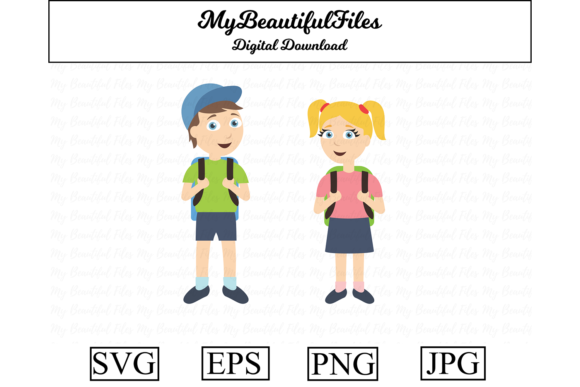
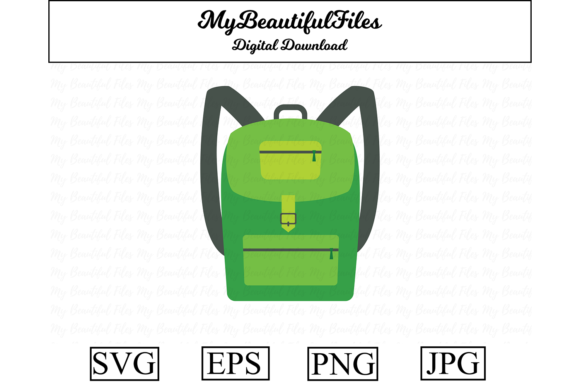
The first impression of this School Bag Clipart Illustration is one of cheerful nostalgia. The shape language is rounded and friendly, avoiding sharp, aggressive angles that can sometimes cause registration issues during high-speed stitching. Visually, it carries a distinct "handmade" personality rather than a rigid corporate logo feel. This makes it an ideal candidate for personalized gifts, nursery decor, and boutique children’s apparel. The layout is balanced, suggesting it would sit comfortably as a center chest design on a sweatshirt or as a primary focal point on a canvas tote bag.
For creative entrepreneurs and small shop owners, this graphic bridges the gap between digital assets and tangible products. Because the illustration has clear boundaries and defined color blocks, it lends itself beautifully to conversion into an applique design. Instead of stitching thousands of fill stitches to create the body of the bag, you could use cotton prints or felt for the main sections, securing them with a neat satin stitch border. This not only reduces stitch count and production time but also adds a tactile texture that customers associate with high-quality handmade products. If you are planning holiday embroidery for teachers or student gifts, this aesthetic hits the perfect note of appreciation without feeling generic.
Real-World Application: The Custom Tote Bag Test
To truly evaluate this asset, let’s consider a real-life scenario: creating a custom embroidered tote bag for a local school fundraiser or an Etsy listing targeting moms. Canvas tote bags are a staple for craft businesses, but they present unique challenges due to their coarse weave and lack of stretch. When adapting the School Bag Clipart Illustration for this substrate, I would avoid tiny internal details. On a screen, a 2mm zipper pull or buckle looks crisp; on canvas, it risks becoming a thread blob or breaking needles.
In this application, I would prioritize bold outlines and open spaces. If the original graphic includes intricate shading, I would simplify it into distinct color regions suitable for machine embroidery. Using a tear-away stabilizer might be insufficient for canvas; a medium-weight cutaway provides the stability needed to prevent the design from distorting after washing. For the strap attachment points, ensure the design placement avoids the thick seams where the hoop cannot maintain consistent tension. A successfully stitched tote bag using this clipart should look intentional and durable, reinforcing customer trust in your brand’s quality. If the design feels too dense for the canvas, consider offering it as a printable mockup for sublimation instead, utilizing the included PNG format to diversify your product line without risking poor stitch outs.
Critical Considerations for Fabric and Hoop Size
While the School Bag Clipart Illustration is versatile, it requires careful handling depending on your target medium. Not all graphics perform equally across different textiles. Here is where practical judgment must override digital perfection:
- Stretchy Fabrics: If applying this to baby clothes or lightweight t-shirts, the design density becomes critical. Heavy fill stitches combined with the natural weight of a school bag graphic can cause the garment to sag. You may need to redraw elements as running stitch or redwork styles to maintain the drape of the fabric.
- Curved Surfaces: Caps and hats are popular for school spirit wear, but the curved brim area limits vertical design space. Ensure the aspect ratio of this illustration fits within your cap frame without distortion. You may need to separate the backpack straps from the main body to accommodate the curve.
- Textured Materials: On terry cloth towels or fleece blankets, fine details get lost. Increase the spacing between elements and widen satin stitch columns to compensate for the fabric pile sinking into the stitches.
- Small Hoop Sizes: If you are limited to a 4x4 hoop, verify that the essential character of the bag remains recognizable when scaled down. Tiny lettering or miniature zippers often fail at small sizes; simplifying the design to its core silhouette is often the better commercial choice.
Designer Notes for Professional Results
Before listing any finished product derived from this School Bag Clipart Illustration, adhere to these professional protocols to protect your reputation and minimize waste:
- Test Stitch is Non-Negotiable: Never run a client order based solely on a software simulation. Stitch a sample on the exact fabric and stabilizer combination you intend to sell. Check for gaps between outline and fill, thread breaks, and overall registration.
- Verify Licensing Terms: The product description confirms file formats but does not explicitly detail commercial usage rights for physical goods versus digital resale. Always confirm whether you can sell finished embroidered items or if the license restricts use to personal projects only. This distinction is vital for Etsy sellers and commercial embroidery shops.
- Contrast Testing: View the design in black and white before assigning thread colors. If the values are too similar, the design will read as muddy on dark fabrics. Ensure there is sufficient contrast between the bag body, straps, and background to maintain visual clarity.
- Stabilizer Selection: Match your backing to the fabric weight, not just the design size. A dense school bag graphic on knit fabric demands cutaway stabilizer to prevent puckering, whereas woven cotton might suffice with tear-away.
- Mockup Accuracy: Use the provided PNG to create realistic printable mockups for your listings. However, clearly label them as digital representations if the actual embroidery texture differs significantly. Honest presentation builds long-term buyer engagement and reduces return rates.
Impact on Brand Value and Customer Perception
Using well-executed illustrations like this School Bag Clipart Illustration signals professionalism. Customers can instantly distinguish between a hastily digitized file and a thoughtfully adapted embroidery project. When the stitch density is appropriate for the fabric, the edges are clean, and the design sits flat without excessive backing bulk, the perceived value of your handmade product increases. This attention to detail fosters brand consistency across your shop, whether you are selling custom apparel, patches, or digital design assets.
Furthermore, this graphic offers opportunities for product expansion beyond standard embroidery. The inclusion of SVG and EPS formats means you can use the same artwork for vinyl decals, laser-cut leather patches, or printed stationery, creating a cohesive collection around the school theme. For digital product sellers, the clean vector lines make it easy to modify colors or add personalized names, increasing the utility of the asset. Ultimately, the success of this illustration in your workflow depends on respecting the relationship between digital art and physical thread. By approaching the School Bag Clipart Illustration with technical awareness and creative adaptability, you transform a simple graphic into a profitable, professional-grade embroidery offering that resonates with your target audience.