Periodic Table Super Teacher Vector Review
As a designer who bridges the gap between digital graphics and tangible textile art, I approach every new asset with a specific question: will this actually stitch out well? When evaluating the Periodic Table Super Teacher Vector, my assessment goes far beyond its visual appeal on a screen. This graphic falls under the Illustrations and Graphics category, but for makers and Etsy sellers, its true value lies in its adaptability as a machine embroidery design source. Having worked with countless educational and novelty themes, I see this vector set as a strong contender for custom apparel and personalized gifts, provided it is handled with technical intention.
First Impressions and Visual Personality
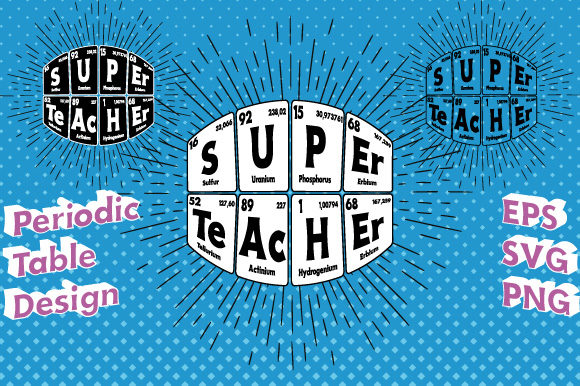
Upon opening the files, which include SVG 1.1 vectors, EPS vectors, AI10 formats, and high-resolution 300 DPI PNGs, the immediate impression is one of clean, academic nostalgia. The "Super Teacher" concept combined with periodic table elements creates a mood that is both intellectual and playful. Unlike generic clip art, this design possesses a structured layout that suggests order and precision. For an embroidery project, this geometric foundation is excellent. It avoids the chaotic organic lines that often cause registration issues during digitizing. The visual personality strikes a balance suitable for adult learners, science educators, or STEM enthusiasts, making it versatile for everything from boutique branding to holiday embroidery for colleagues.
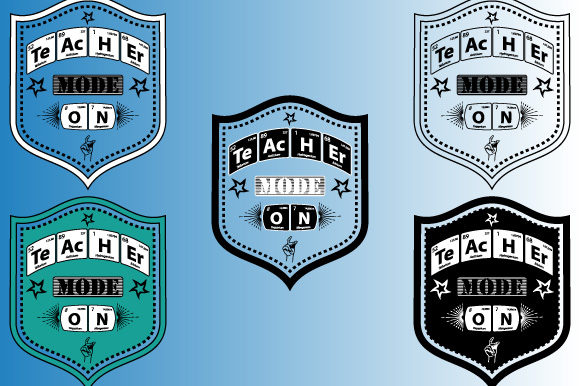
The inclusion of three distinct designs within the package offers necessary variety. As a reviewer, I appreciate not being locked into a single composition. The transparent, white, and black PNG options at A3 size allow for immediate visualization. Before I even open my digitizing software, I can overlay these onto fabric textures to judge contrast and scale. This preliminary step is vital for ensuring the final handmade product resonates with the intended audience.
Real-World Application: The Science Educator Tote Bag
To truly test the viability of the Periodic Table Super Teacher Vector, I mentally prototyped a custom embroidered tote bag intended for a high school chemistry teacher. Tote bags are a staple small shop product because they offer a large, flat canvas ideal for detailed graphics. In this scenario, the vector’s scalability is paramount. Because SVG and EPS files are scalable to any size without pixelation, I could expand the design to fill a 6x10 inch hoop area while maintaining crisp edges for satin stitch columns.
For this specific embroidery project, I envisioned converting the outer borders of the periodic table cells into running stitch outlines, while using fill stitch for the elemental symbols. The "Super Teacher" accent would serve as a focal point, perhaps rendered in a contrasting thread color to create hierarchy. On a natural cotton canvas tote, this design communicates professionalism and thoughtfulness. It elevates the item from a simple utility bag to a cherished personalized gift. Customers in the education sector often seek merchandise that acknowledges their identity without being childish, and this graphic hits that niche perfectly. The clarity of the vector lines translates to confident stitching, reducing the risk of jagged edges that can devalue a commercial embroidery piece.
Technical Considerations for Stitching Success
While the Periodic Table Super Teacher Vector is visually robust, translating graphics into embroidery requires caution. Not all fabrics forgive the density required for such detailed text-based designs. If you are planning sweatshirt embroidery or baby embroidery, you must adjust your strategy. Fleece and knits have texture and stretch that can distort fine lines. For these applications, I recommend simplifying the design. Use the vector as a guide rather than a strict blueprint, potentially increasing the spacing between elements to prevent puckering.
Stitch density is another critical factor. Vectors define shapes, not stitches. When creating your digital embroidery file from this asset, avoid excessive underlay in the text areas. Too much density on a lightweight fabric like a tea towel or pillow cover will result in a stiff, bulletproof patch of thread that drapes poorly. Conversely, on structured items like caps or embroidered patches, the design’s rigidity is an asset. The straight lines and blocky forms of the periodic table align naturally with the stability needed for hat embroidery, where curved surfaces demand precise registration.
Be mindful of tiny lettering. While the vector scales infinitely, physical thread has a minimum width. Elements of the periodic table often contain small atomic numbers or weights. In a real-life embroidery situation, these details may need to be omitted or enlarged to remain legible after washing. Always prioritize readability over absolute fidelity to the original illustration when working at smaller hoop sizes.
Evaluating Commercial Viability and Product Value
For Etsy sellers and creative entrepreneurs, time is money. The Periodic Table Super Teacher Vector supports efficient workflow through its multi-format delivery. The ability to use the 300 DPI PNGs for printable mockups allows you to list products before committing to sampling every variation. This is crucial for testing market interest. However, buyer engagement ultimately depends on the quality of the finished product. A blurry or poorly registered stitch-out destroys trust instantly.
This design asset enhances brand consistency for shops focusing on academic or geek-chic aesthetics. By utilizing the same vector family across different products—perhaps a mug wrap, a t-shirt, and a notebook cover—you create a cohesive collection. The professional nature of the Illustrations ensures your merchandise looks intentional rather than cobbled together. Furthermore, because the files are vectors, they serve as excellent base material for applique design. You could use the periodic table squares as fabric appliqués outlined with satin stitch, significantly reducing stitch count and production time while adding tactile value to the custom apparel.
Essential Designer Notes for Implementation
Before listing this design in your shop or gifting a finished item, adhere to these practical protocols:
- Test on Scrap Fabric First: Never assume a setting works. Stitch the Periodic Table Super Teacher Vector on a remnant of the exact fabric you intend to use. Check for registration shifts and tension issues.
- Verify Licensing: Confirm whether your purchase includes commercial rights for selling finished physical products versus digital embroidery files. These are distinct licenses.
- Check Thread Color Contrast: Test the design in both black and white thread on light and dark backgrounds. Some details visible in the vector may disappear if the thread blends too closely with the fabric texture.
- Stabilizer Selection: For detailed graphics like this, cut-away stabilizer is generally superior to tear-away, especially on stretchy fabrics. It provides permanent support for the dense stitch areas.
- Mockup Reality Check: Use the provided transparent PNGs to create realistic previews, but ensure your mockups accurately represent the sheen and texture of embroidery thread to manage customer expectations.
- Hoop Size Confirmation: Measure your design after digitizing. Ensure it fits comfortably within your machine’s maximum embroidery area with adequate margin for the hoop frame.
Final Thoughts on Design Integrity
The Periodic Table Super Teacher Vector represents a solid investment for makers who understand the translation process from screen to stitch. Its strength lies in its structural clarity and thematic specificity. Whether you are producing holiday embroidery for a department gift exchange or building a year-round inventory of science-themed accessories, this graphic provides a reliable foundation. Success, however, relies on respecting the limitations of thread and fabric. By treating this vector as a starting point for thoughtful digitizing rather than a plug-and-play solution, you ensure that every tote bag, sweatshirt, or patch maintains the high standards your customers expect. In the world of handmade goods, that attention to technical detail is what separates a hobbyist output from a professional brand.