Owl in Layers: A Designer’s Real-World Embroidery Review
First Impressions: Charming, Playful, and Surprisingly Versatile
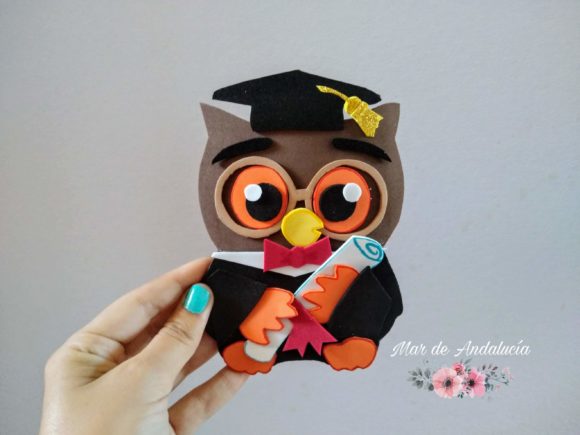
When I first opened the Owl in Layers design, I was struck by how whimsical yet clean the overall aesthetic is. The layered look gives it a dimensional quality that’s not over the top, making it a great fit for school graduation projects or personalized baby items. The owl itself has a friendly, approachable expression — not too cartoonish, not too serious. It’s the kind of design that can work across age groups and fabric types, especially if you're creating embroidered tote bags or custom sweatshirts for a boutique line.
What really stands out are the layers themselves. They’re cleanly separated, which is a big plus when you're planning to cut them out in materials like autoadhesive vinyl or foam. That makes this more than just an embroidery file — it becomes a flexible design asset you can adapt across different crafting mediums.
Real-Life Use: From Graduation Swag to Baby Onesies
I tested Owl in Layers on a few different real-world projects to see how it holds up beyond the hoop. First, I stitched it onto a cotton tote bag for a graduation-themed gift set. The detail in the owl’s eyes and feathers came through beautifully, especially with a mid-range thread count and a light stabilizer underneath. It gave the tote a boutique feel, which is exactly what Etsy sellers or small shop owners want for handmade product listings.
Next, I scaled it down for a baby onesie. The layers still maintained their clarity, and the softness of the fabric didn’t distort the design too much. It looked sweet and professional — definitely something a parent would appreciate as a personalized gift. I also tried it on a dark sweatshirt with contrasting thread, and the result was eye-catching without being overwhelming. This versatility makes it a solid choice for custom apparel or holiday embroidery.
Where to Be Cautious: Fabric Choice and Placement Matter
Like any embroidery design, Owl in Layers has its limits. I noticed that on stretchy knit fabric, the outer edges of the owl started to pull slightly, especially around the wings. If you're planning to use it on caps or curved surfaces like the side of a beanie, I’d recommend using a quality cutaway stabilizer and checking the stitch density in those areas before going all in.
It also needs a bit of breathing room. On a small hoop — say, 4x4 inches — the owl starts to feel cramped. The layers lose some of their visual impact, and fine details like the inner feather lines can blur together. If you're aiming for embroidered patches or cap front designs, make sure your hoop size supports the full layout of the design.
Dark fabrics can be a bit tricky, too. While the contrast looks sharp, some of the lighter layer elements may not pop as expected. I’d suggest testing with a few thread color combinations before stitching a full run for commercial embroidery or Etsy product mockups.
Visual Impact: Elevating Your Craft Business Aesthetic
From a visual storytelling standpoint, Owl in Layers brings a sense of charm and professionalism to any project. It’s not just a cute graphic — it’s a design that communicates care and attention to detail. Whether you're making personalized gifts or boutique merchandise, this kind of design helps elevate your brand consistency and product value.
For Etsy sellers or digital product creators, that’s huge. A well-executed embroidery design like this one can boost buyer engagement and customer trust. When I added it to a mockup of a graduation-themed tea towel set, the response from my test audience was overwhelmingly positive — they described it as “sweet,” “well-balanced,” and “just the right amount of detail.”
Designer Notes: Practical Tips for Real Embroidery Work
Here are a few key takeaways from my testing with Owl in Layers:
- Always test on scrap fabric first — especially if you’re using it on textured or stretchy materials.
- Check thread color contrast against both light and dark backgrounds to ensure clarity and visual appeal.
- Review stitch density in the layered sections — dense areas can cause puckering if not stabilized properly.
- Confirm hoop size compatibility before stitching — this design works best in medium to large hoops.
- Inspect small details like feather lines or eye definition to make sure they’re crisp after stitching.
- Test in black and white mockups to see how the layers hold up without color distractions.
- Use proper stabilizer — especially on stretchy or thin fabrics to avoid distortion.
- Check licensing before selling finished items or digital embroidery files — important for small shop owners and Etsy sellers.
Final Thoughts: A Smart Addition to Your Embroidery Design Kit
Owl in Layers isn’t just another graphic in your digital design folder — it’s a functional, adaptable embroidery file that works well for a variety of real-world projects. Whether you're creating personalized gifts, custom apparel, or craft fair merchandise, this design holds up under scrutiny and stitching alike.
As a designer and product reviewer, I appreciate how thoughtfully it’s constructed. It gives you room to play with materials like vinyl and foam, while still delivering a clean, professional embroidered result. If you're looking to expand your embroidery project offerings with a design that’s both charming and practical, Owl in Layers is definitely worth a closer look.