Ocean Blue C Letter Craft: A Designer’s Real-World Review
First Impressions: Calm, Coastal, and Craft-Ready
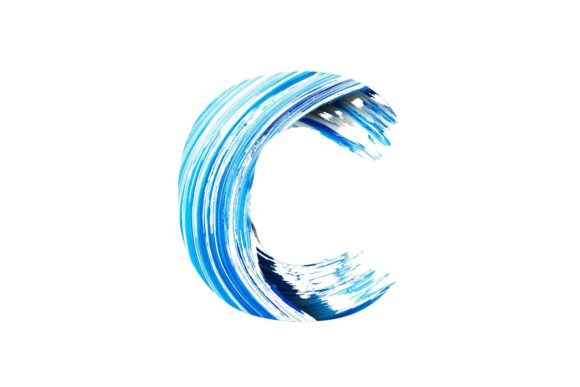
The Ocean Blue C Letter Craft immediately evokes a sense of calm and coastal charm. It’s a single-letter design stylized with soft wave patterns, subtle curves, and a gentle gradient of blue tones. Visually, it leans into a relaxed, beachy aesthetic that feels right at home in summer-themed projects, baby items, or boutique-style apparel. The letterform is clean but not sterile — there's a handmade warmth to it that makes it feel approachable and usable for a wide range of embroidery applications.
As a designer, I appreciate how the Ocean Blue C Letter Craft doesn’t scream for attention but instead complements the overall design with a quiet elegance. It's the kind of design you can stitch onto a tote bag for a boutique or use on a baby onesie without overwhelming the garment. The detail level is balanced — not too busy to complicate stitching, yet detailed enough to feel intentional and purposeful.
Real-World Use: From Tote Bags to Baby Clothes
I recently tested the Ocean Blue C Letter Craft on a custom tote bag project for a local shop that specializes in coastal-themed home goods. I stitched it in a medium blue thread to match the natural fabric tone, and the result was subtle yet eye-catching. It looked especially nice centered on the front of a linen tote — not too big, not too small, and it added a personal touch that customers could easily customize with their initial.
For baby clothes, I tried it on a stretchy cotton onesie. I was a bit concerned about how the satin and fill stitches would hold up on a stretchy fabric, but using a lightweight stabilizer helped maintain clarity. The waves within the letter stayed crisp, and the overall design didn’t pucker or distort the fabric. This makes it a solid option for baby embroidery projects like personalized bibs or burp cloths.
On a sweatshirt, the Ocean Blue C Letter Craft felt more casual and playful. The soft blue contrasted nicely with a heather gray background, and it stitched cleanly without any major thread tension issues. It’s a great option for custom hoodies or sweatshirts, especially for Etsy sellers looking to offer personalized options with a touch of coastal flair.
Where to Use It Carefully
While the Ocean Blue C Letter Craft performs well in many situations, it does require some thoughtful placement. On curved surfaces like baseball caps, the letter’s rounded shape can look a bit off-center unless carefully aligned. I’d recommend testing it on a cap blank first before committing to a client project.
The design also has some fine wave details in the corners that could get lost or distort on very textured or thick fabrics. If you're planning to use it on a denim jacket or a heavily textured tote, be sure to check how the fine satin stitches translate. On dark fabrics, the blue tones may need to be adjusted for contrast — especially if you're using it for digital mockups or print-on-demand previews.
For small hoop sizes, this design might push the limit depending on your machine’s capabilities. The wave patterns inside the letter are small but impactful — they could lose clarity if scaled down too much. If you're working with a limited hoop space, test the design at the intended size first to ensure stitch definition remains intact.
Impact on Visual Appeal and Product Value
From a visual standpoint, the Ocean Blue C Letter Craft elevates the look of a finished product without being over the top. It’s a great example of how a single-letter embroidery can feel like more than just a monogram — it becomes a design statement. For small shop owners or Etsy sellers, this kind of detail can make the difference between a generic item and a premium, personalized product.
Stitching clarity is generally good, assuming you use the right stabilizer and thread tension. The satin and fill stitches hold up well on cotton, linen, and even some stretchy knits. This consistency helps maintain a professional finish, which is key when you're building customer trust and repeat business.
From a branding perspective, this design works well for businesses with a coastal or minimalist aesthetic. It’s versatile enough to be used across multiple product lines — from nursery decor to boutique apparel — while still maintaining a cohesive visual identity. For digital product sellers, it’s also a strong asset to include in design kits or craft bundles, especially those targeting school or college projects.
Practical Notes for Embroidery Designers
Before using the Ocean Blue C Letter Craft in a real project, I recommend a few practical steps:
- Test on scrap fabric — especially if you're using a new fabric type or color.
- Check thread color contrast — especially on dark or light backgrounds.
- Review stitch density — ensure it’s appropriate for your fabric type.
- Confirm hoop size compatibility — don’t assume it fits your machine without checking.
- Inspect small details — like the inner wave patterns, to ensure they stitch cleanly.
- Test in black and white mockups — to see how it looks without color influence.
- Use proper stabilizer — especially for stretchy or delicate fabrics.
- Confirm licensing — before selling finished items or including it in digital product bundles.
Also, keep in mind that while this is a machine embroidery design, it’s also available as a high-resolution file ideal for craft designs and printable mockups. That makes it a flexible asset for both physical and digital product creators — especially those who sell on Etsy or in craft markets.
Final Thoughts: A Coastal Touch for Real Projects
In the end, the Ocean Blue C Letter Craft is a well-balanced design that offers both visual appeal and practical usability. Whether you're embroidering a custom tote bag, personalizing a baby gift, or creating a boutique sweatshirt, this design holds up well and adds a touch of coastal charm without being overwhelming.
For small business owners and creative entrepreneurs, it’s a smart addition to your embroidery library — especially if you cater to seasonal themes, personalized gifts, or minimalist design styles. Just be mindful of fabric types, hoop size, and thread contrast, and you’ll get a clean, professional finish every time.